Bowl · Rake · Roof · Sightline · Sound
Stadium design and atmosphere
A stadium is a machine for holding a noise. These guides look at how bowl geometry, stand steepness, roof coverage, sightlines and acoustics shape the experience inside five grounds: Anfield in Liverpool, Signal Iduna Park in Dortmund, Estadio Azteca in Mexico City, the Stade de France in Saint-Denis and the Allianz Arena in Munich.
Concrete does not sing. But it decides where a chant goes, how long it lives, and whether the far end hears it in time to answer.
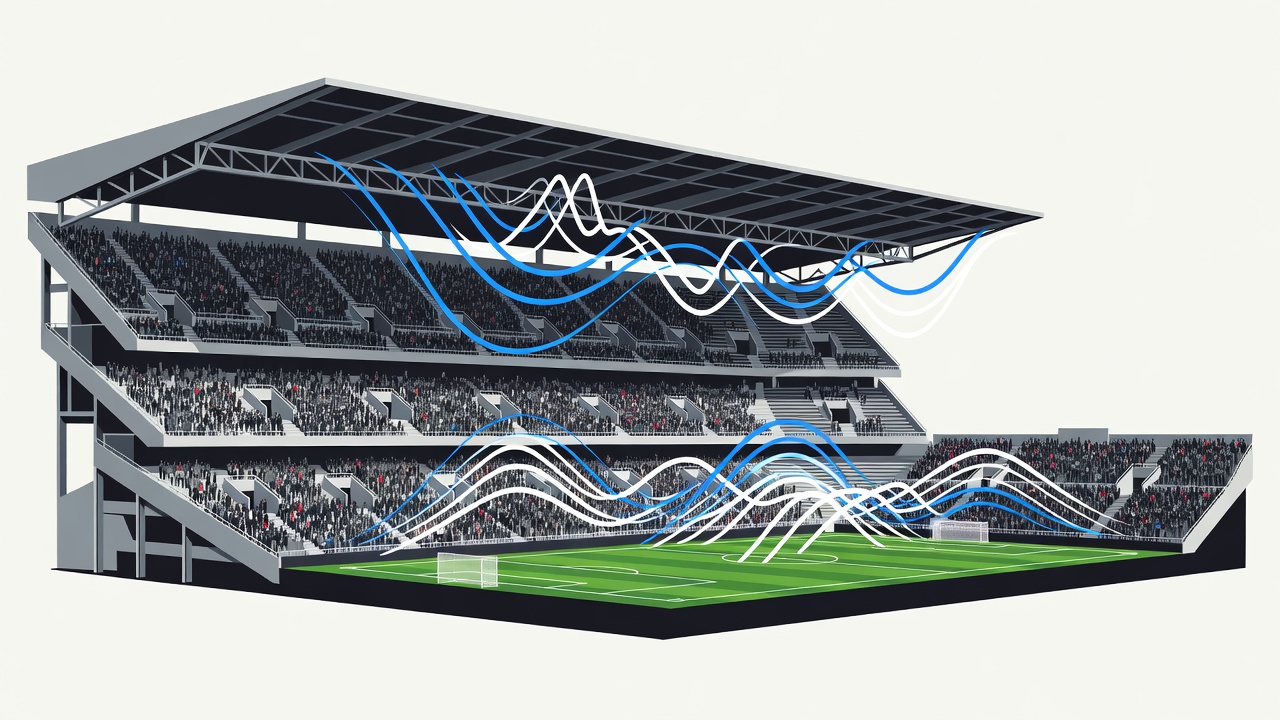
Five grounds, five lessons in geometry
Each guide takes one stadium and reads it as a room: what the shape does to the sound, what the rake does to the view, and what the roof does to both.
-
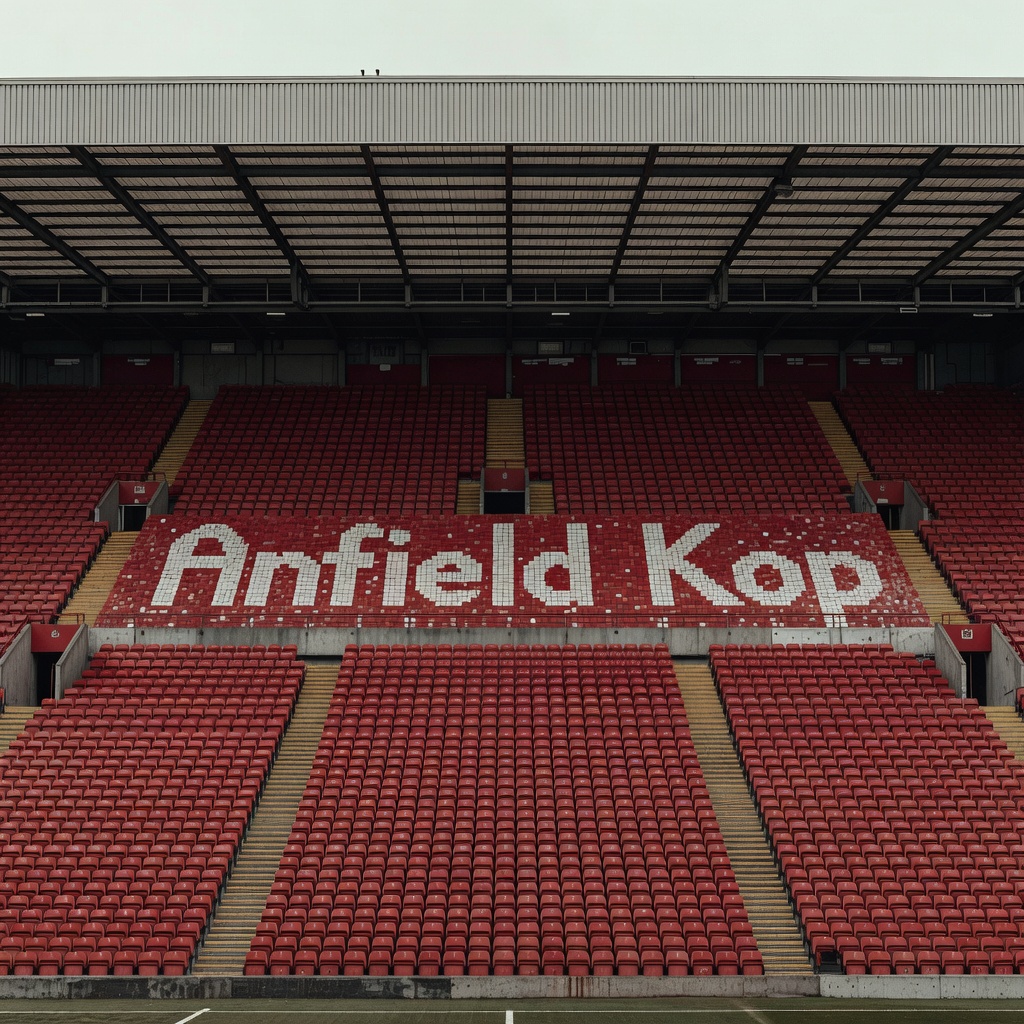 01AnfieldA four-stand British ground where a single-tier Kop, a low roofline and new stacked tiers pull in different acoustic directions.
-
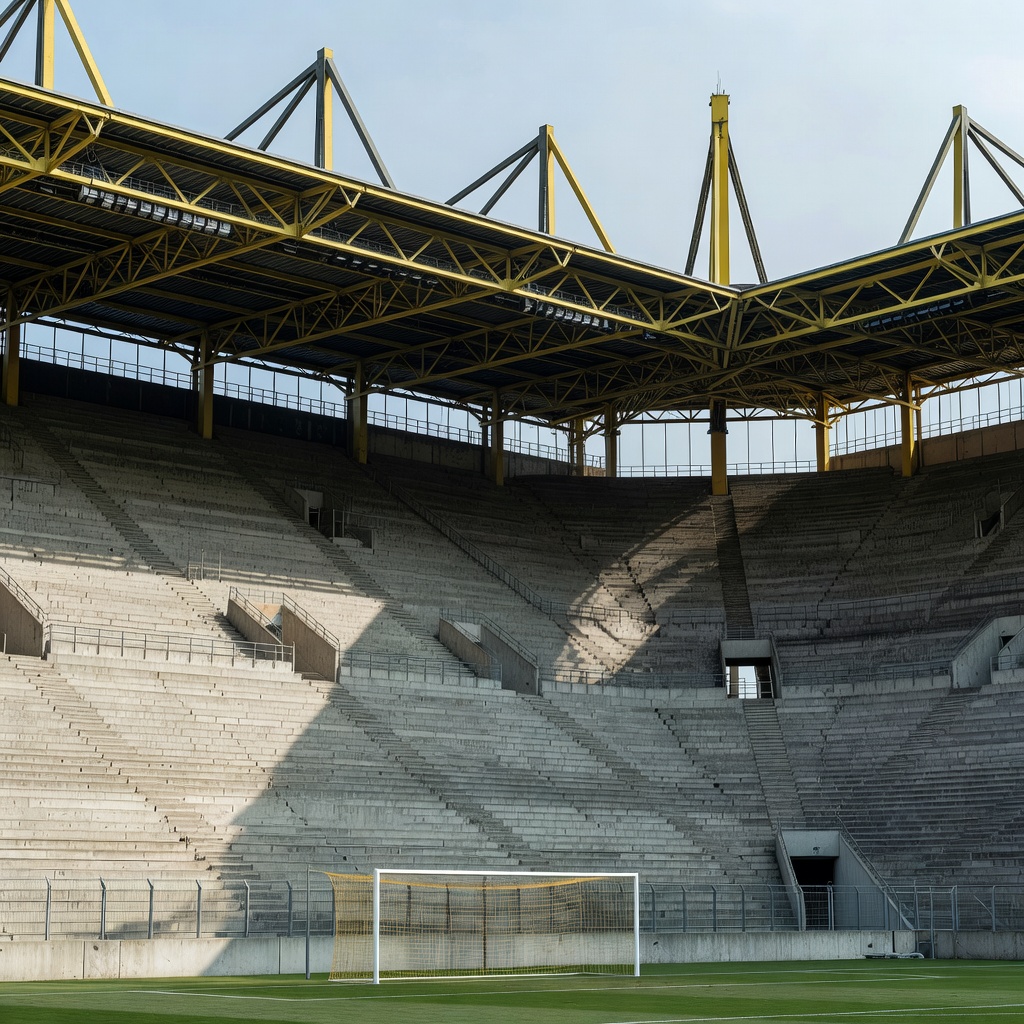 02Signal Iduna ParkDortmund's Südtribüne, the largest standing terrace in European football, and what rail seats do to it for UEFA nights.
-
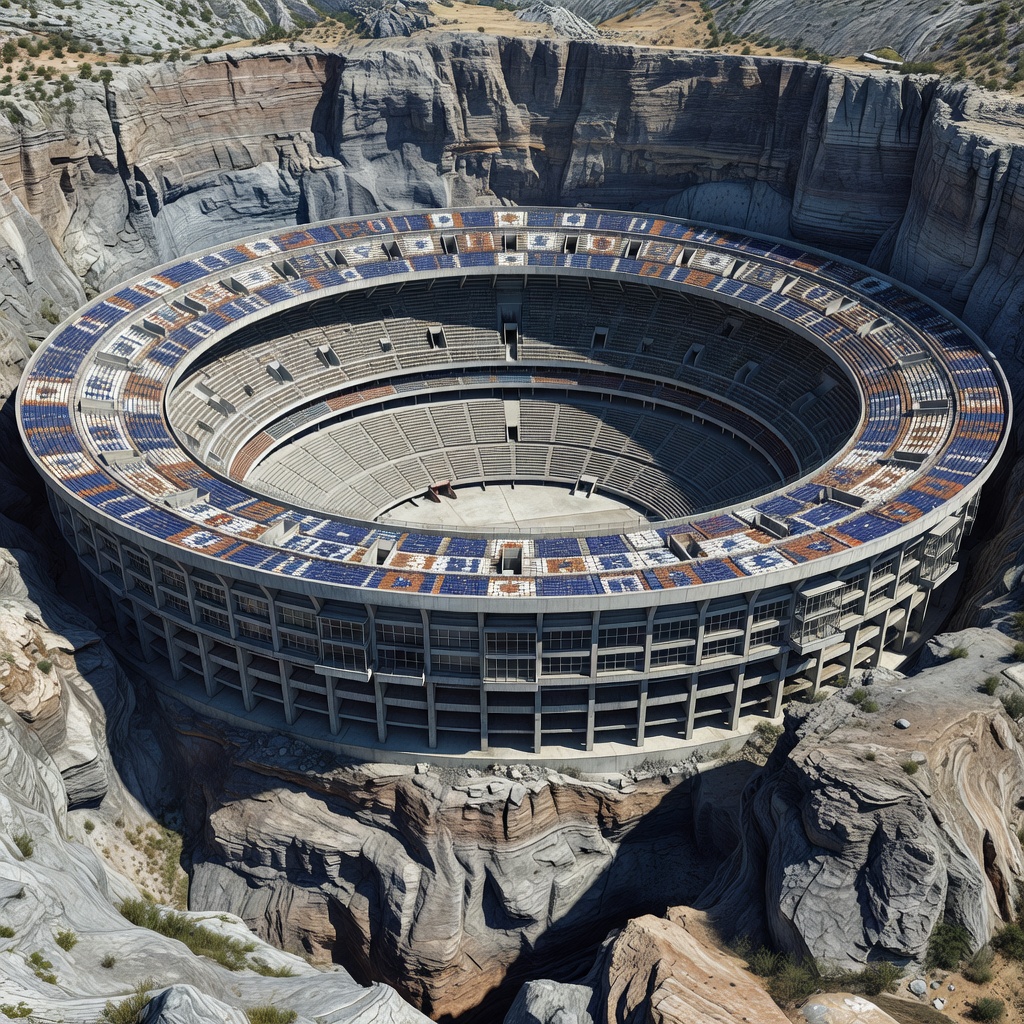 03Estadio AztecaMexico City's sunken bowl by Pedro Ramírez Vázquez and Rafael Mijares, host of the 1970 and 1986 World Cup finals.
-
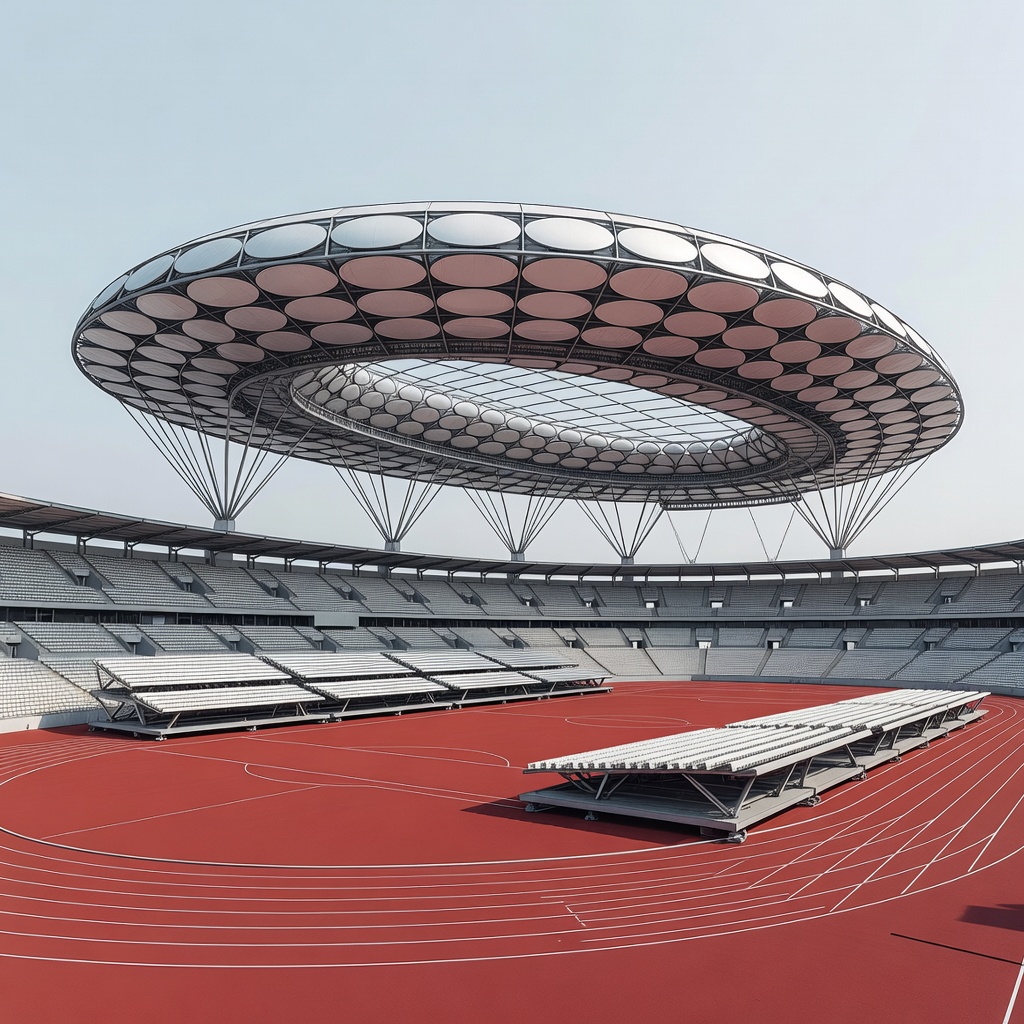 04Stade de FranceSaint-Denis, a movable lower tier over an athletics track, and the cost of a stadium that must be three venues.
-
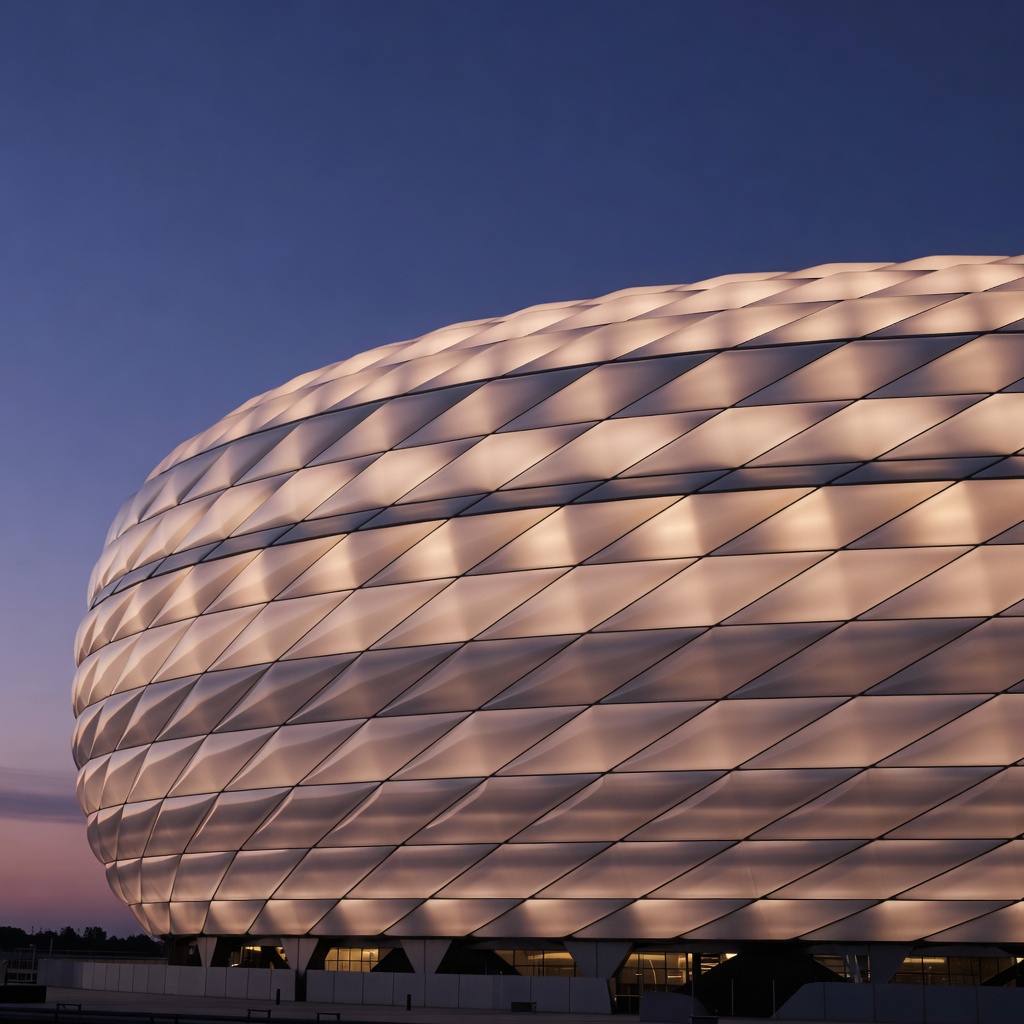 05Allianz ArenaHerzog & de Meuron in Munich: three steep tiers, a translucent skin, and a bowl built for football only.
The five things doing the work
Atmosphere gets talked about as weather — it descends, it evaporates, it is either there or it isn't. It is closer to plumbing. Five design decisions govern almost everything a crowd can do with its voice, and every ground in these guides resolves them differently.
Bowl geometry
Whether the seating runs as one continuous ring or as separate stands with open corners. Continuity keeps sound circulating; gaps let it leave. Distance from the touchline sets how directly the pitch feels the crowd.
Rake
The steepness of a tier. A steep deck stacks spectators nearly above one another, shortening the distance from the back row to the grass and turning the stand into a reflecting wall rather than a shallow apron.
Roof coverage
A roof is the lid on the box. Deep, low cover over a full stand reflects voices back down onto the seats and the field; a canopy that stops short of the pitch, or a stadium open to the sky, lets the noise rise away.
Sightlines
Designers speak of the c-value: the clearance between your eyeline and the head of the person in front. Raise it and the tier gets steeper; accept less and rows creep flatter, with heads in the way of the near corner.
Acoustics
Hard surfaces reflect, bodies absorb, and an empty stand behaves nothing like a full one. Shape controls whether a chant arrives at the far end as a phrase or as a smear that nobody can sing along to.
Standing and safety rules
Terracing, seating and rail seating change crowd density and posture, and the rules differ by country and competition. The same stand can hold two different crowds on two different nights.
How to use these guides
Read the guide for the ground you are going to, then look for the three features it describes: where the roof stops, where the corners open, and where the steepest rake begins. Once you can see them, you can hear them. For capacities, ticketing layouts and current stand names, check the club or operator's own published information — they change, and geometry does not.